What is art journaling?

You may have seen many art journal pages floating around the net, but have you wondered what really a art journal is? Or may be you’ve thought that art journaling is only for artists.

Well, art is journaling is for EVERYONE, no special skills required at all. You don’t even have to know how to draw a stick figure!

So, what is an art journal?

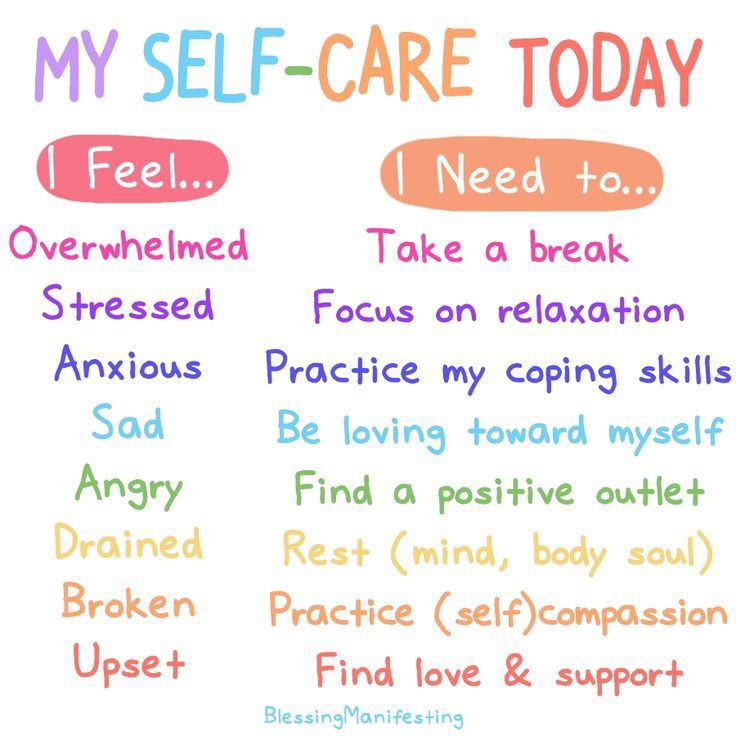
An art journal is the same as a written journal, except that it incorporates colors, images, patterns, and other materials. Some art journals have a lot of writing, while others are purely filled with images. It’s a form of creative self-care.
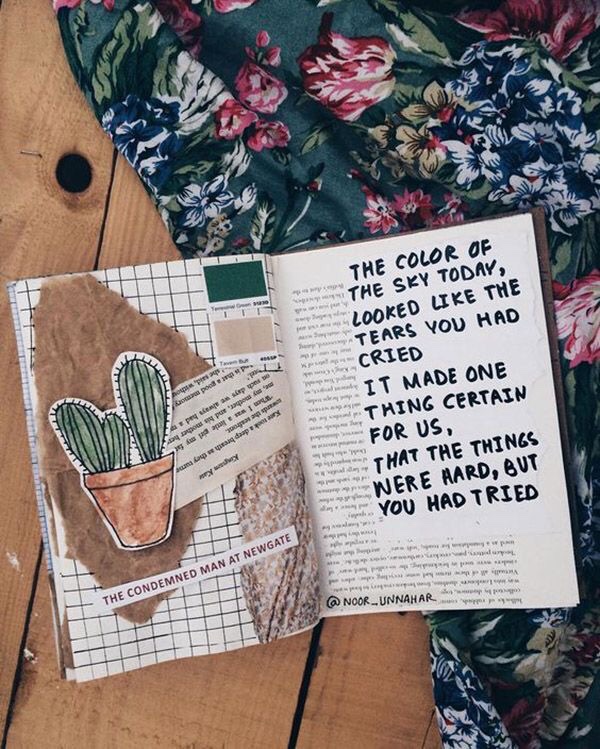
The best part? THERE ARE NO RULES! Truly, no rules. There is nothing like “right” or “wrong”.

To be very honest, For me – Art journaling is a way to create deeper sense of self-awareness, it empowers us, inspires us, encourages us, and can move us in powerful ways. 


WHAT KIND OF ART GOES IN AN ART JOURNAL?

An art journal can be a sketchbook, a dairy or even just a bunch of sheets folded together. Even if it’s not organised and neat, it’s okay — because your art journal is YOURS. It is not up to what others opinion on what should be in it or what you create!
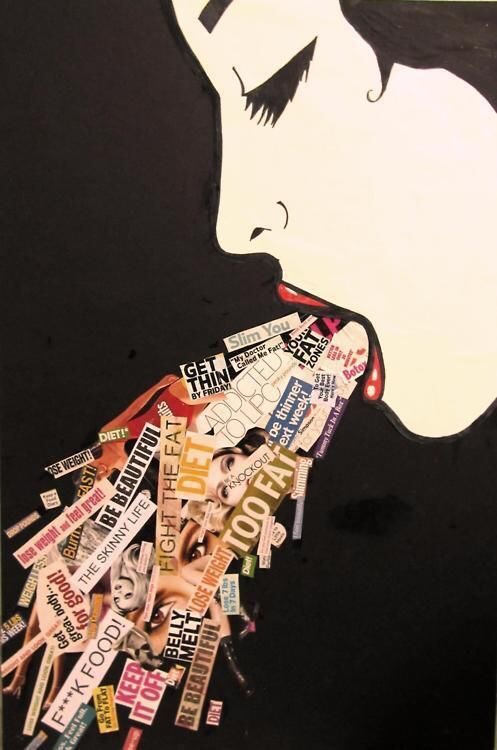
What I love about art journaling, I will just spill out my feelings on the page in writing, or “scribble” a bit with a paintbrush. I don’t worry at all what it looks like, I just allow myself to “let it be” and that feels good.

It helps me feel relaxed, get things off my chest, and also figure out exactly what is bothering me.

Your art journal is your own private and personal space where you can write, draw, and create almost anything. It can be extremely freeing, because there are no limits.

I know that deep down inside you there is an artist just waiting to come out and play, won’t you let her out? 😉
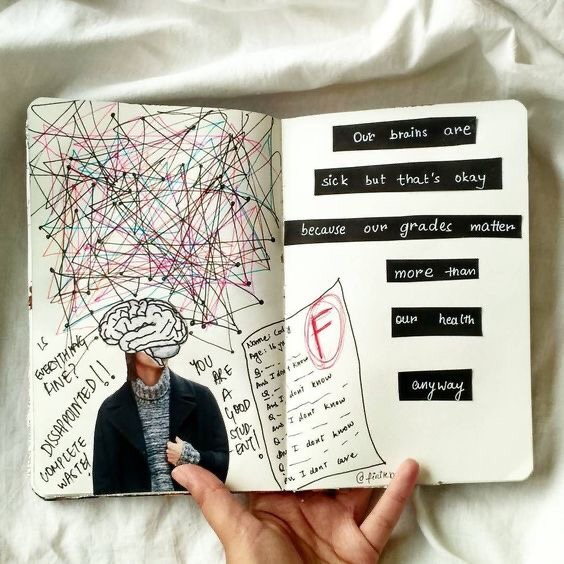
Remember, there are no rules and part of the journey is finding your style. COMPLETELY YOURS!

Recently I’ve started art journaling and for me it worked great. I’m making this a habit, sitting for 15-20 minutes everyday and just talk with me and express myself.

It was great to get out of my comfort zone and talk about anything and everything that I want to🌻

Thank you

– Himanshi Khanna
PSYCHOLOGICAL DISORDERS AND MORE

Hello all, how are you doing? I think its really not a good time for all of us as alot of things are happening around us 😦

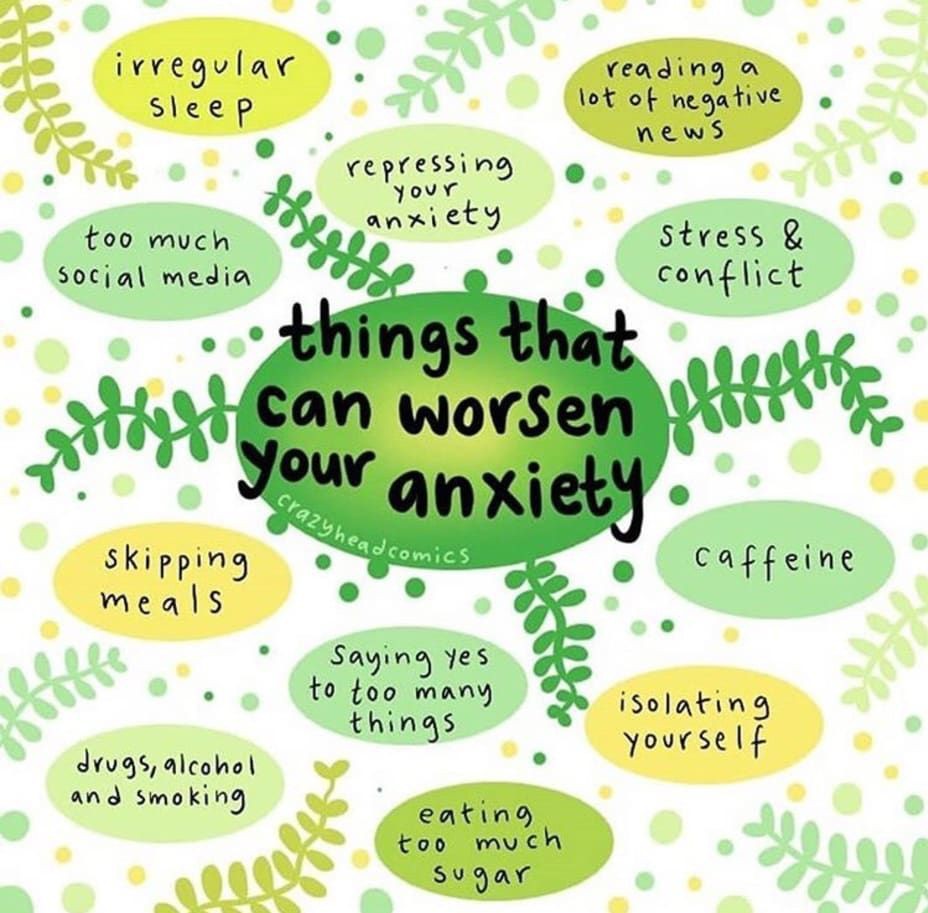
today let’s talk about psychological disorders, mainly anxiety and depression.

MAJOR PSYCHOLOGICAL DISORDERS

What is Anxiety?

Everyone has worries and fears. The term anxiety is usually defined as a diffuse, vague, very unpleasant feeling of fear and apprehension.

Symptoms of a anxious individual – rapid heart rate, shortness of breath, diarrhoea, fainting, dizziness, sweating, sleeplessness, loss of appetite.

Anxiety Disorders

1. Panic disorder

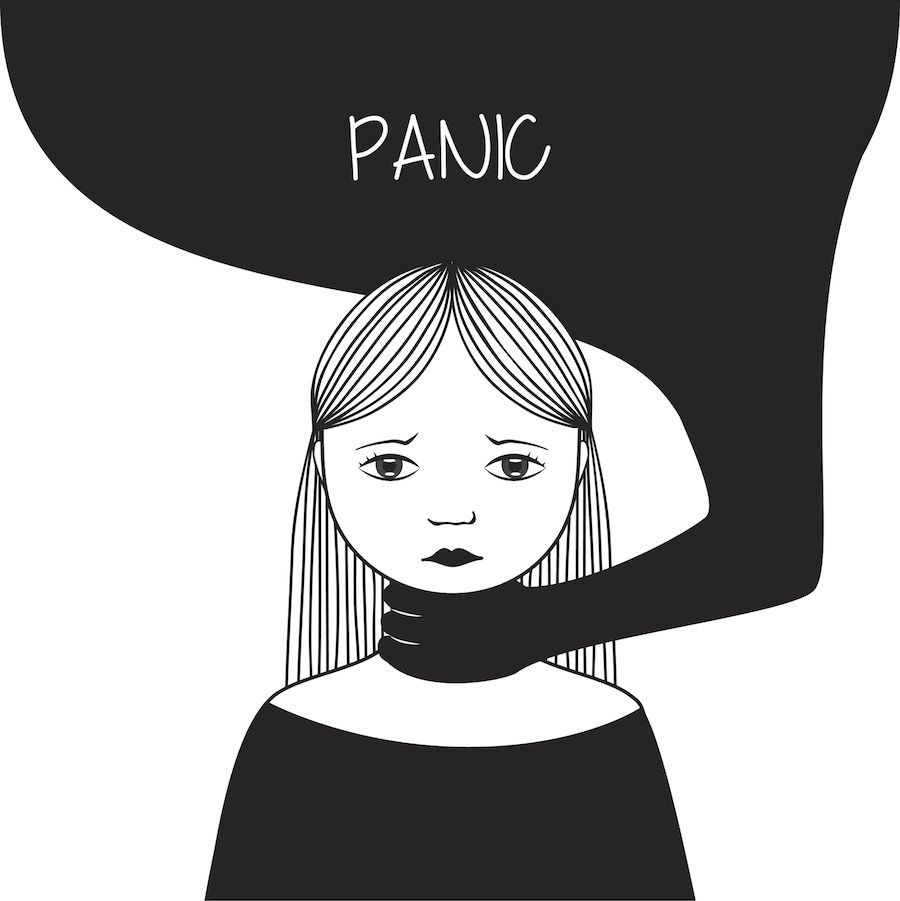
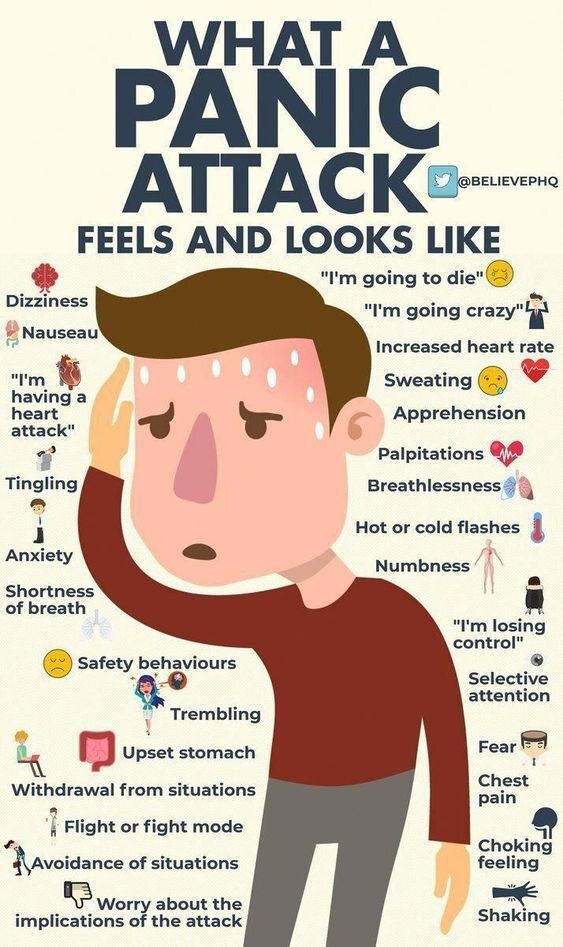
Panic disorder consists of recurrent anxiety attacks in which a person experiences intense terror. It causes panic attacks, which are sudden feelings of terror when there is no real danger. You may feel as if you are losing control. Panic attacks can happen anytime, anywhere, and without warning. You may live in fear of another attack and may avoid places where you have had an attack. For some people, fear takes over their lives and they cannot leave their homes

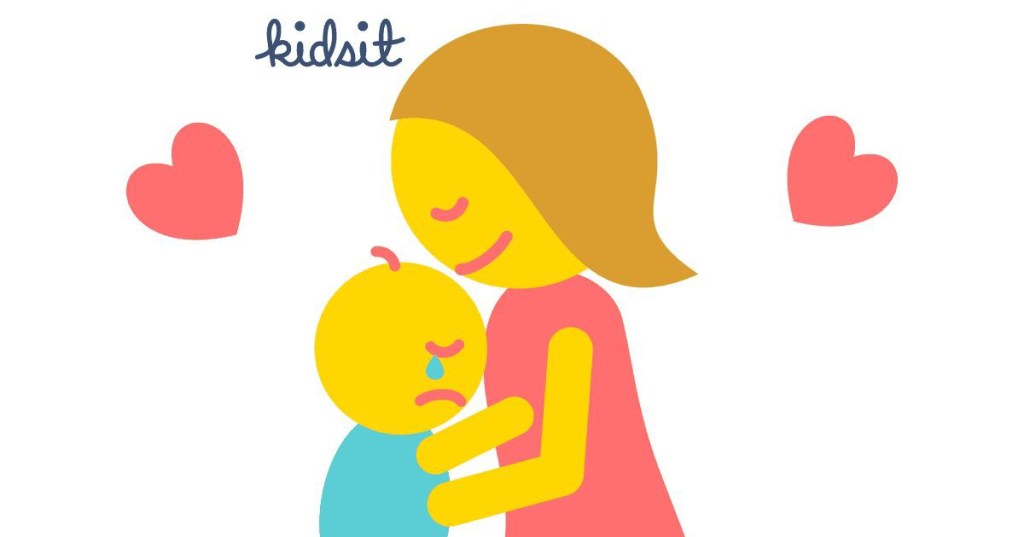
2. Separation anxiety disorder ( SAD )– Separation anxiety is when someone is afraid of being separated from a particular person, persons, or even a pet. SAD is very common in children.

Children with SAD may have difficulty being in a room by themselves, going to school alone, are fearful of entering new situations. To avoid separation, children may fuss,scream, throw severe tantrums, or make suicidal gestures.

3. Phobias- You might have met people who are afraid to travel in a lift or climb the tenth floor of a building, or refused to enter a room if s/he saw a lizard. These kinds of fears are termed as phobias.

People who have phobias have irritional fears related to specific objects, people or situations. Phobias often develop gradually or begin with a generalised anxiety disorder.

What is depression?

One of the most widely prevalent and recognised of all mental disorders is depression. In day-to-day life, we often use the term depression to refer to normal feelings after a significant loss, such as break-up of a relationship, or the failure to attain a significant goal.

It’s important to realize that feeling down at times is a normal part of life. Sad and upsetting events happen to everyone. But, if you’re feeling down or hopeless on a regular basis, you could be dealing with depression. Depression is considered a serious medical condition that can get worse without proper treatment. Those who seek treatment often see improvements in symptoms in just a few weeks.

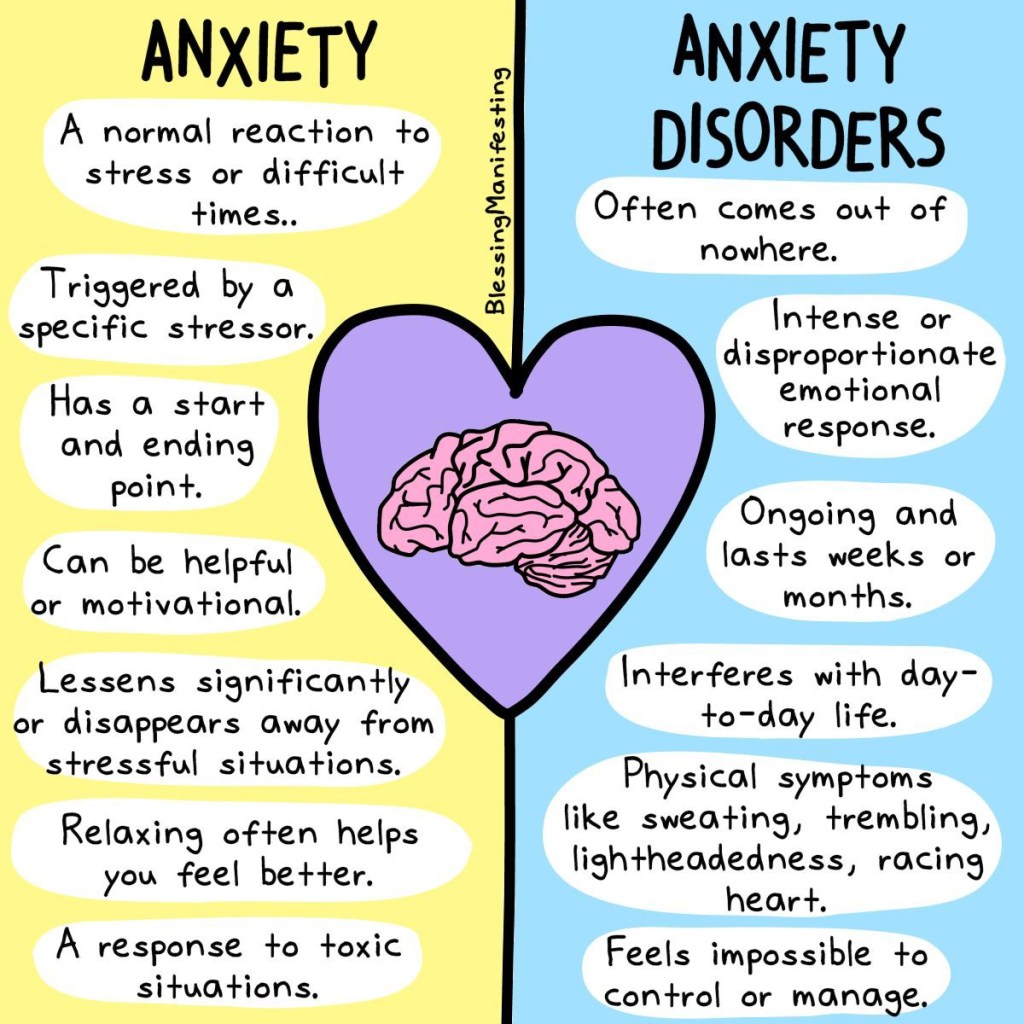
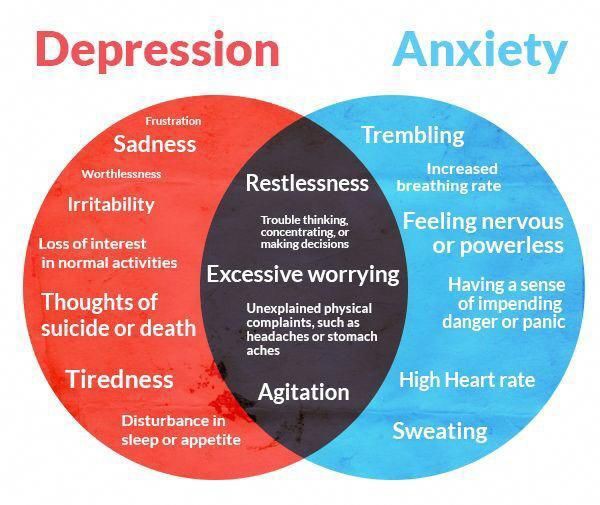
Differences & Similarities between Anxiety & Depression.

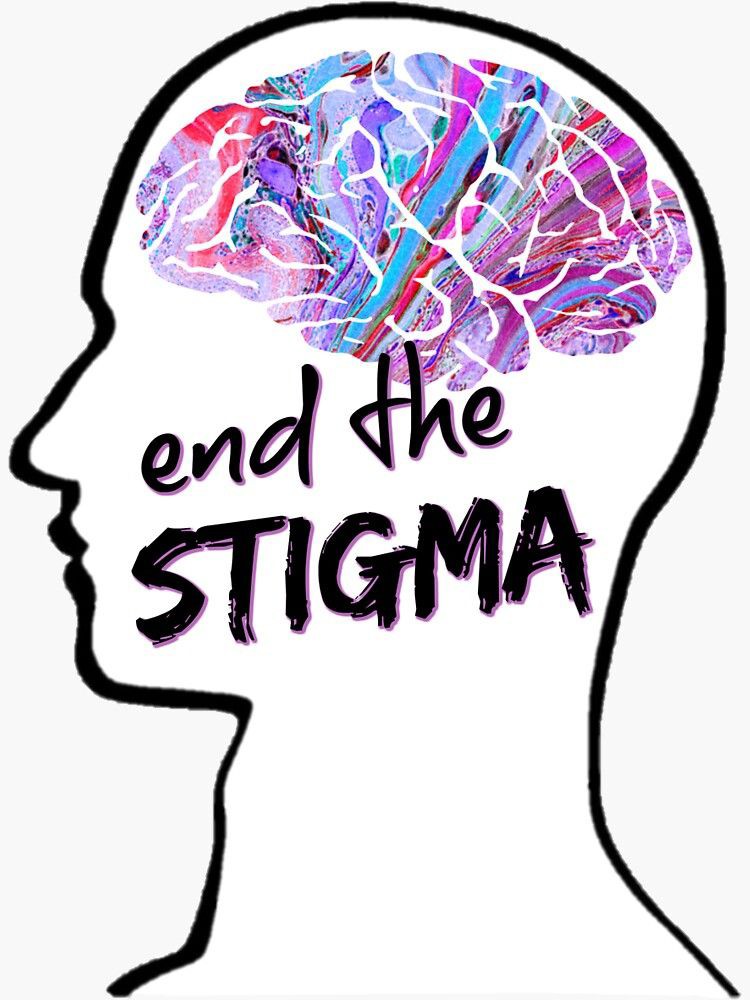
Let’s end the stigma!!!

The stigma attached to mental illness means that people hesitate to consult a doctor or psychologist because they are ashamed of their problems.

There are things family and friends can do to help someone with mental illness.

  • Think before you speak. Avoid remarks that diminish the seriousness of mental illness. Even offhand comments such as “I’m so depressed,” when you feel a little down, or “I’m so schizzy today” can be hurtful to someone who does have that diagnosis.
  • Talk about it. When your loved one has let people know about his or her mental illness, be willing to talk about it with your friends. You don’t want it to become “the family secret,” as though it’s something to be ashamed of. Having a family member with mental health issues shouldn’t be any different from having a mother who has diabetes or a brother with prostate cancer. 
  • Be open. Treat people with mental illness and their family members with openness and empathy. Don’t assume they don’t want to talk about how it affects them.

It’s important to remember that mental illness is a disease that affects so many people. Shedding light on it will help dispel the stigma that surrounds it.

At last, please talk to family member/friend in case you’re feeling low/depressed.

Don’t be ashamed of your problems. Its common with me, you and everyone.

Reach me out in case of any help. Email at mentalhealthcare29@gmail.com

Thank you 🙂

– Himanshi

STRESS MANAGEMENT

What is stress?

All of us say that we are stressed before giving exam or before giving an interview. All the challenges, problems, or difficult circumstances put us to stress. But do we know what exactly stress is?

Stress is the pattern of responses an organism makes to stimulus event that disturbs the equilibrium and exceeds a person’s ability to cope. In other words, stress is a dynamic mental/ cognitive state.

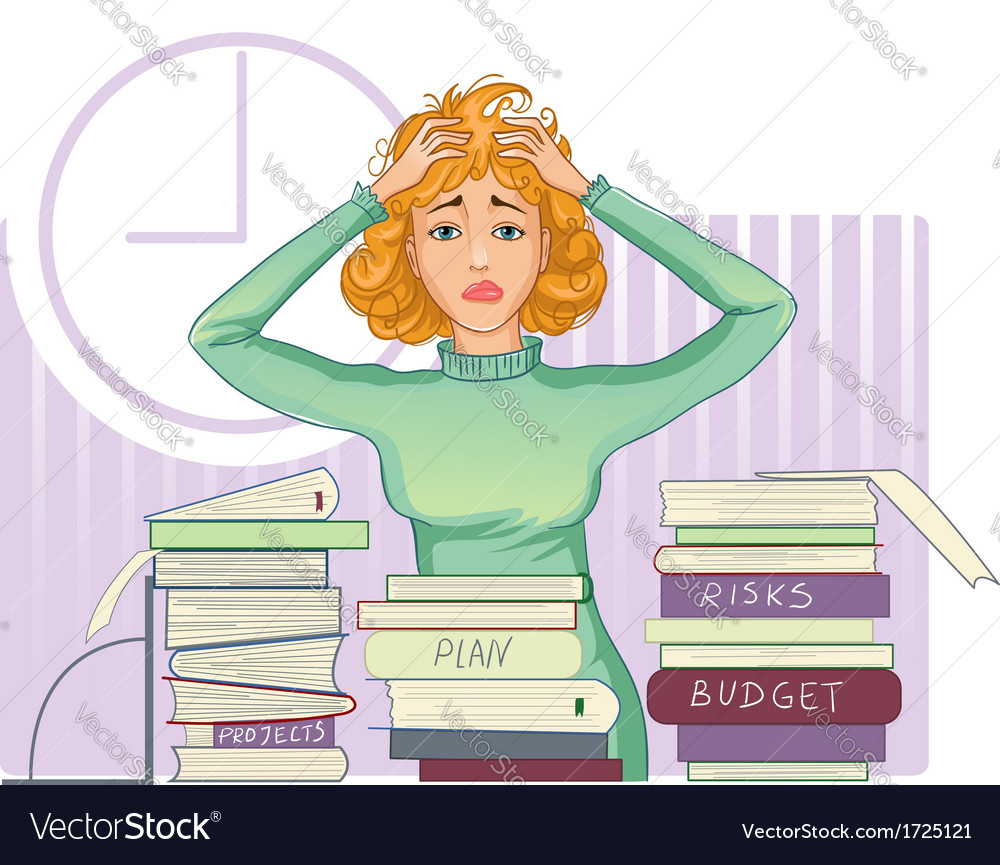
A businesswomen under stress.

Types of stress

It is important to remember that not all stress is inherently bad or destructive. Generally stress can be described as good or bad.

Eustress

Eustress is the term used to describe the level of stress that is good for you. In other words, eustress is a positive stress.

  • Motivates, focuses energy.
  • Is short-term.
  • Is perceived as within our coping abilities.
  • Feels exciting.
  • Improves performance

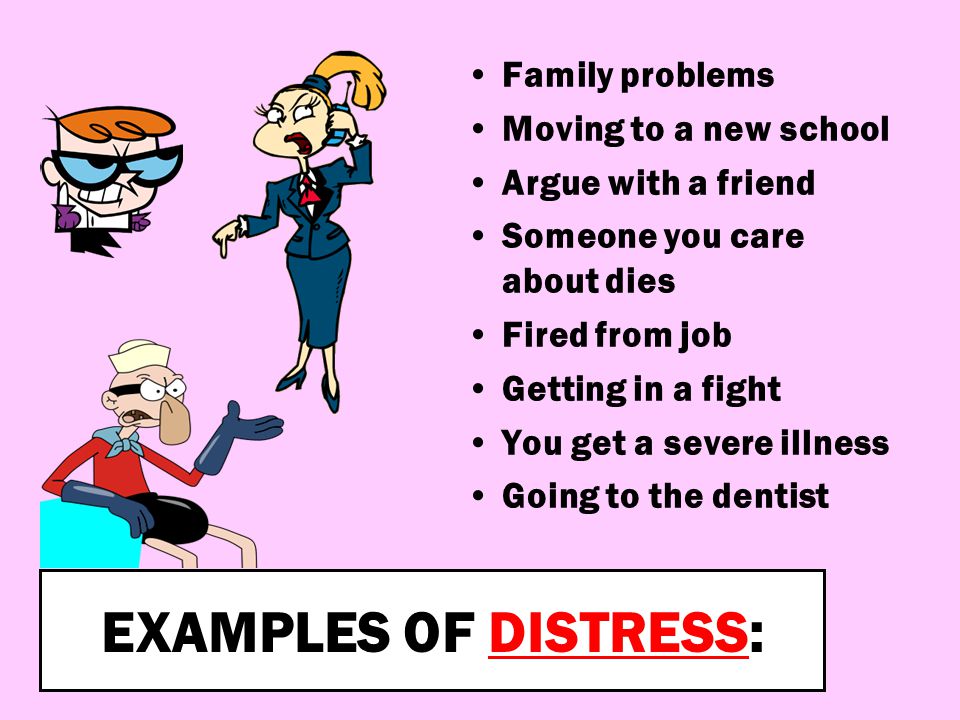
Distress

Distress is the latter manifestation of stress that causes our body’s wear and tear. In other words, distress is the negative stress.

  • Causes anxiety or concern.
  • Can be short- or long-term.
  • Is perceived as outside of our coping abilities.
  • Feels unpleasant.
  • Decreases performance.
  • Can lead to mental and physical problems.

EFFECTS OF STRESS

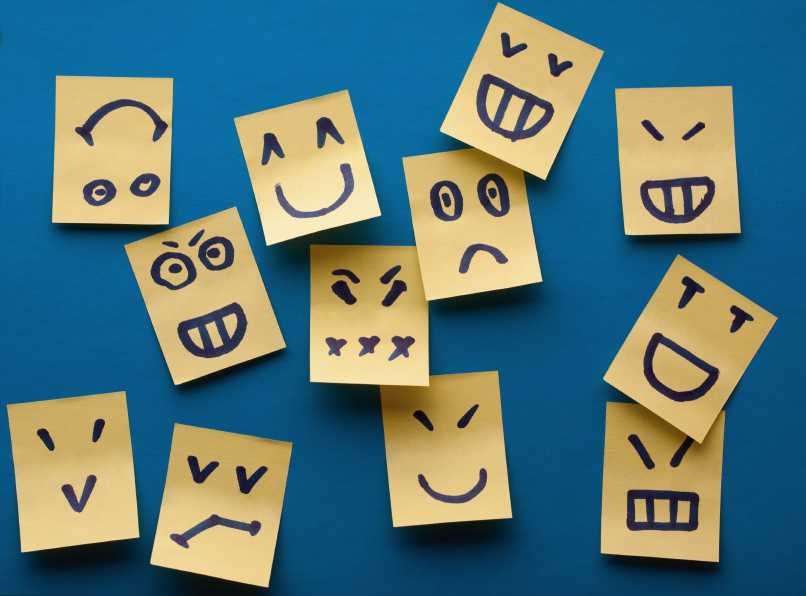
  1. EMOTIONAL EFFECTS : People who suffer from stress are far more likely to experience mood swings, and show erratic behaviour that may alienate them from family/friends. For example, feelings of anxiety and depression, increased physical or psychological tension and mood swings.
MOOD SWINGS

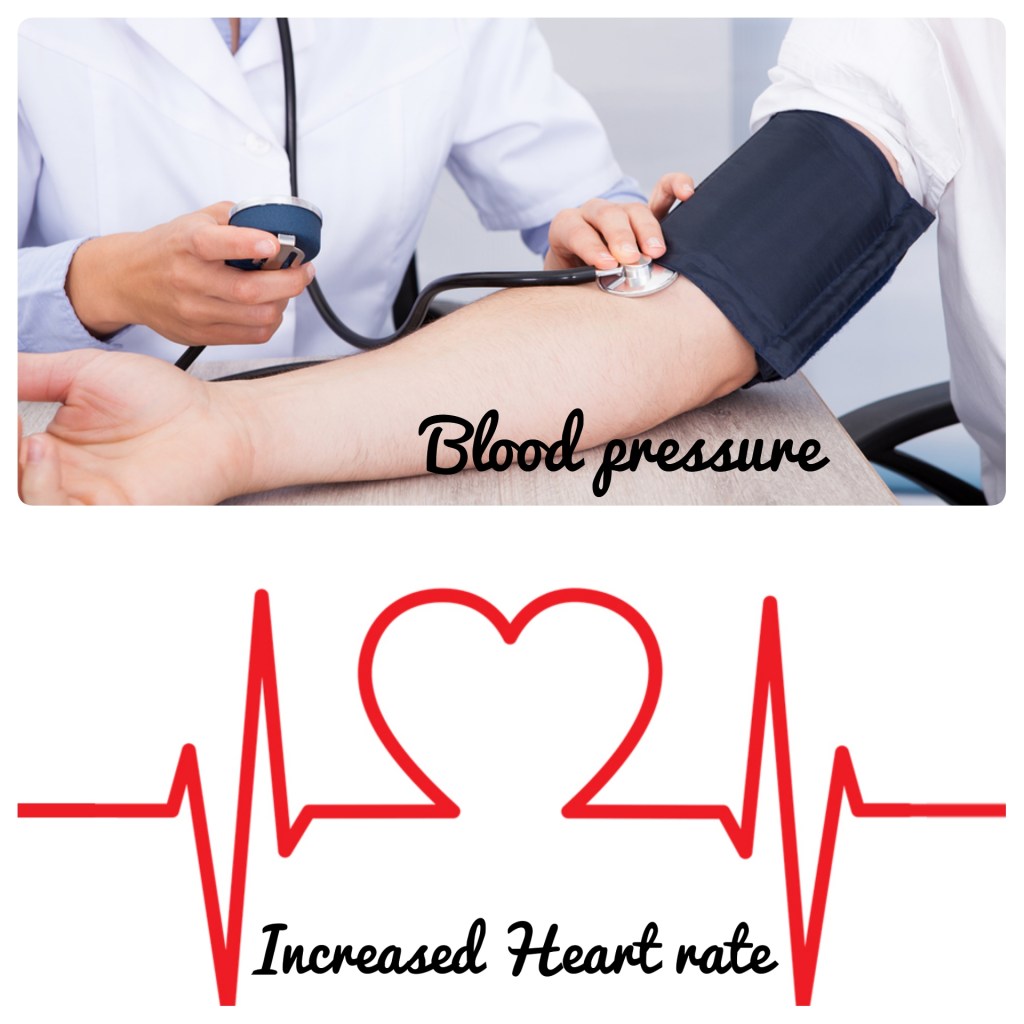
2. PHYSIOLOGICAL EFFECTS : When the human body is placed under physical or psychological stress, it increases production of certain hormones such as adrenaline and cortisol. These hormones produce marked changes in heart rate, blood pressure levels, metabolism etc. It can be extremely damaging to the body. For example, slowing down the digestive system, increased heart rate, expansion of air passages in the lungs etc.

3. COGNITIVE EFFECTS : If pressures due to stress continue, one may suffer from mental overload. This can rapidly cause individuals to lose their ability to sound decisions. Faulty decisions made at home, in career or at workplace may lead to arguments, failure, financial loss etc. Examples of cognitive effects of stress are poor concentration, reduced short term memory capacity.

Bored girl in classroom

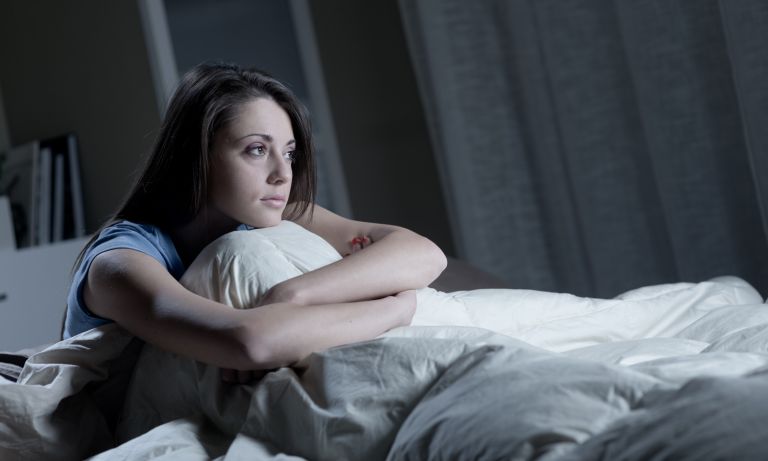
4. BEHAVIOURAL EFFECTS : Stress affects our behaviour in the form of eating less nutritional food, increasing intake of stimulants such as caffeine, excessive consumption of cigarettes, alcohol etc. Some of typical behavioural effects of stress are seen are disrupted sleep patterns, increased absenteeism, and reduced work performance.

DISTURBED SLEEP

STRESS MANAGEMENT TECHNIQUES

Some of the stress management techniques are :

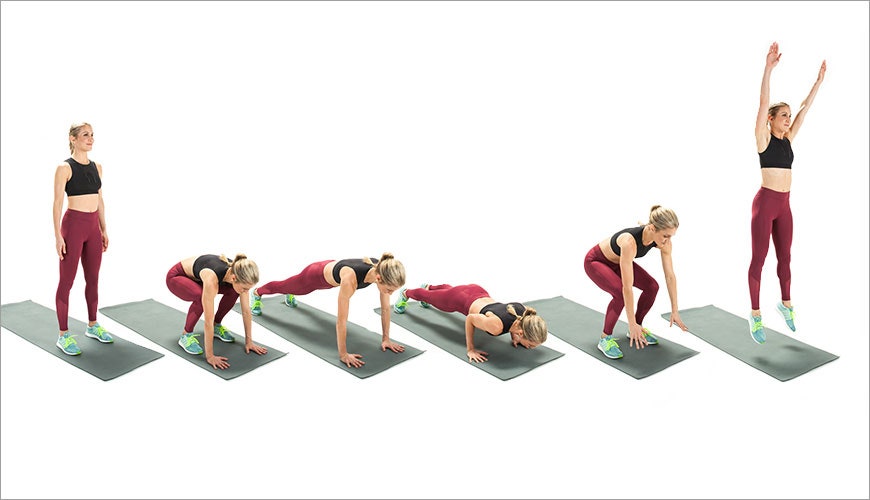
  1. Exercise : Regular exercise improves the efficiency of the heart, enhances the function of the lungs, maintains good circulation, lowers blood pressure, improves body’s immune system. Walking, running, swimming, cycling etc help to reduce stress. One must exercise at least four times a week for 30 minutes at a time.

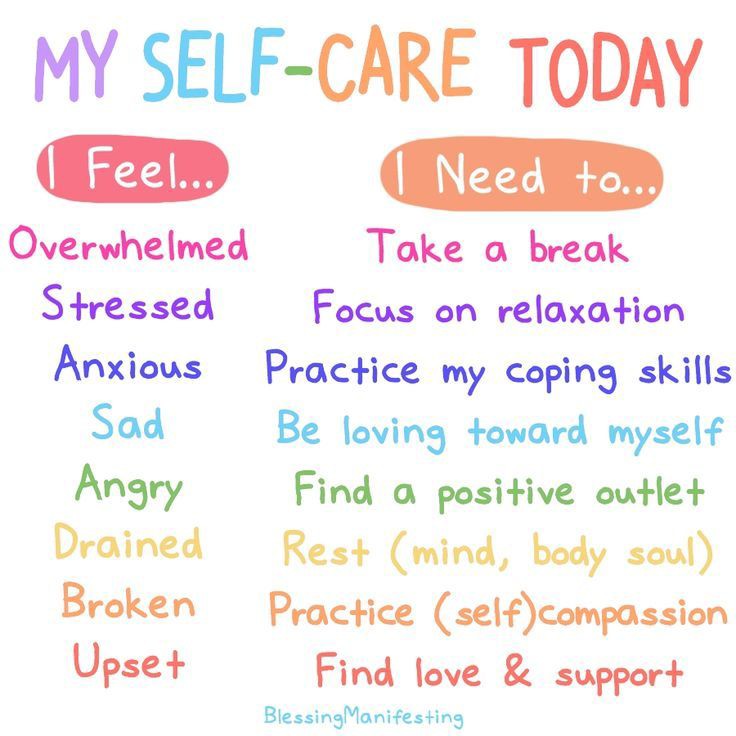
2. SELF CARE : If we keep ourselves healthy, fit and relaxed, we are better prepared physically and emotionally to tackle stresses of everyday life.

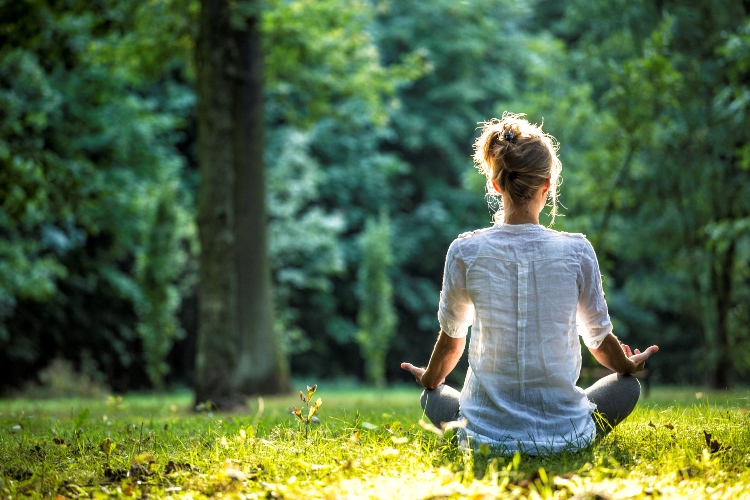
3. RELAXATION TECHNIQUES : Relaxation starts from the lower part of the body and progresses up to the facial muscles in a such a way that the whole body is relaxed. Deep breathing is used along the muscle relaxation to calm the mind and deals the body.

4. OVERCOMING UNHELPFUL HABITS: Unhelpful habits such as perfectionism, avoidance, procrastination lost are strategies that help to cope in the short-term but which make one more vulnerable to stress. Perfectionists are persons who have to get everything just right. Avoidance is to put the issue under the carpet and refuse to accept or face it.

Procrastination means putting off what we know we need to do. People who procrastinate are deliberate avoiding confronting their fears of failure or rejection.

At last we should not take stress. Let’s break up with stress and live our life to the fullest 🙂 We should exercise and eat healthy food to stay fit and prepared to tackle everyday stress.

STAY SAFE, STAY HOME!

Thank you 🌻🌈

– Himanshi

PERSONAL BRANDING

People often talk about wanting to improve their personal brand. You probably don’t think much having a brand for yourself.

Have you ever googled your name? Obviously you may find that other people share your name. But who doesnt want to be famous? All of us want a different personality. A different person. Isn’t it ?

What is Personal branding?

Personal brand is all about how you promote yourself. It is a unique combination of your skills, experiences, and talents. It reflects your attitude, your behaviour!!

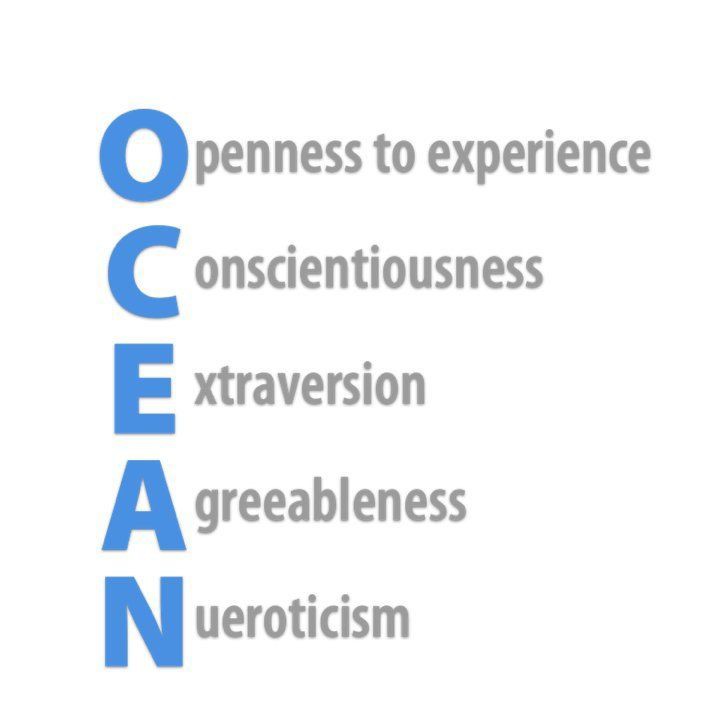
BIG FIVE PEROSNALITY TRAITS

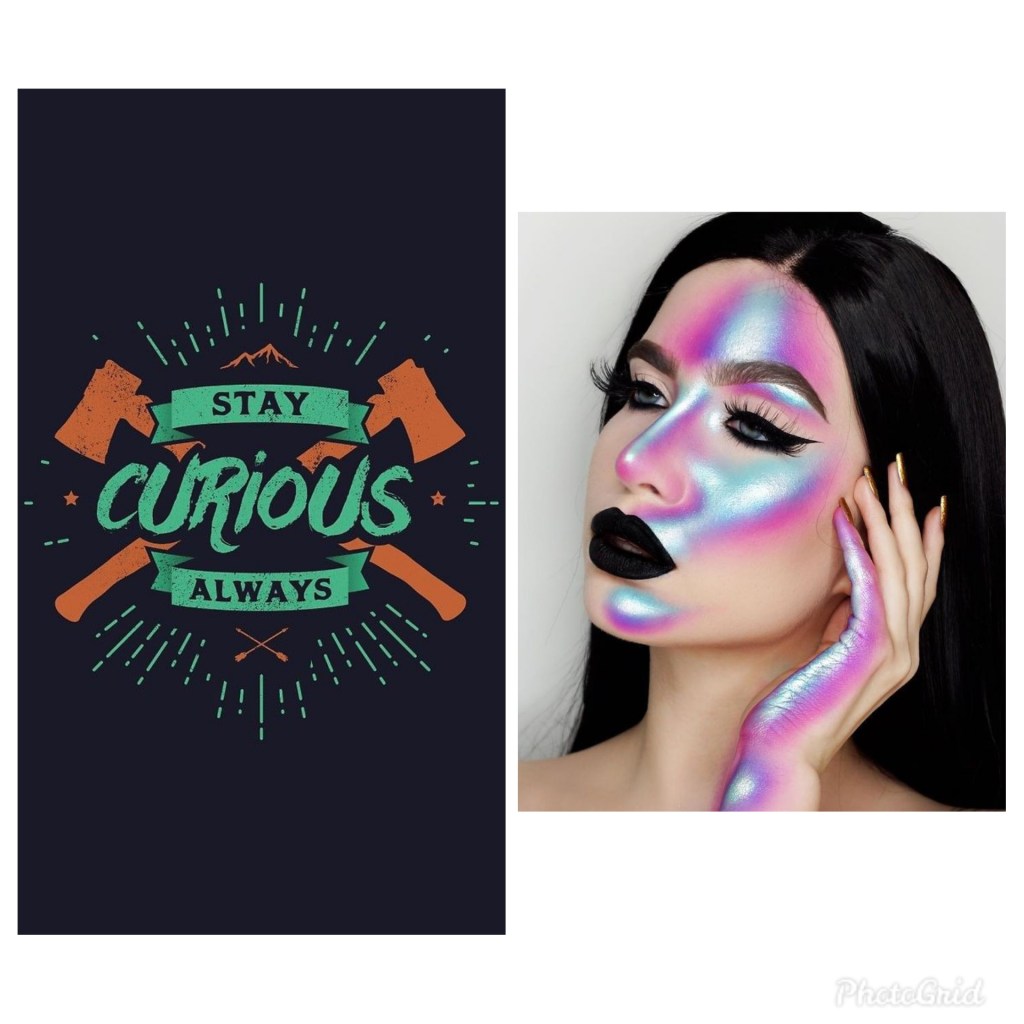
1. Openness to experience – Openness to experience means How creative, cultured, curious, imaginative an individual is. For example, a person may be creative in creating makeup looks or a person who is always very curious to know about everything being discussed.

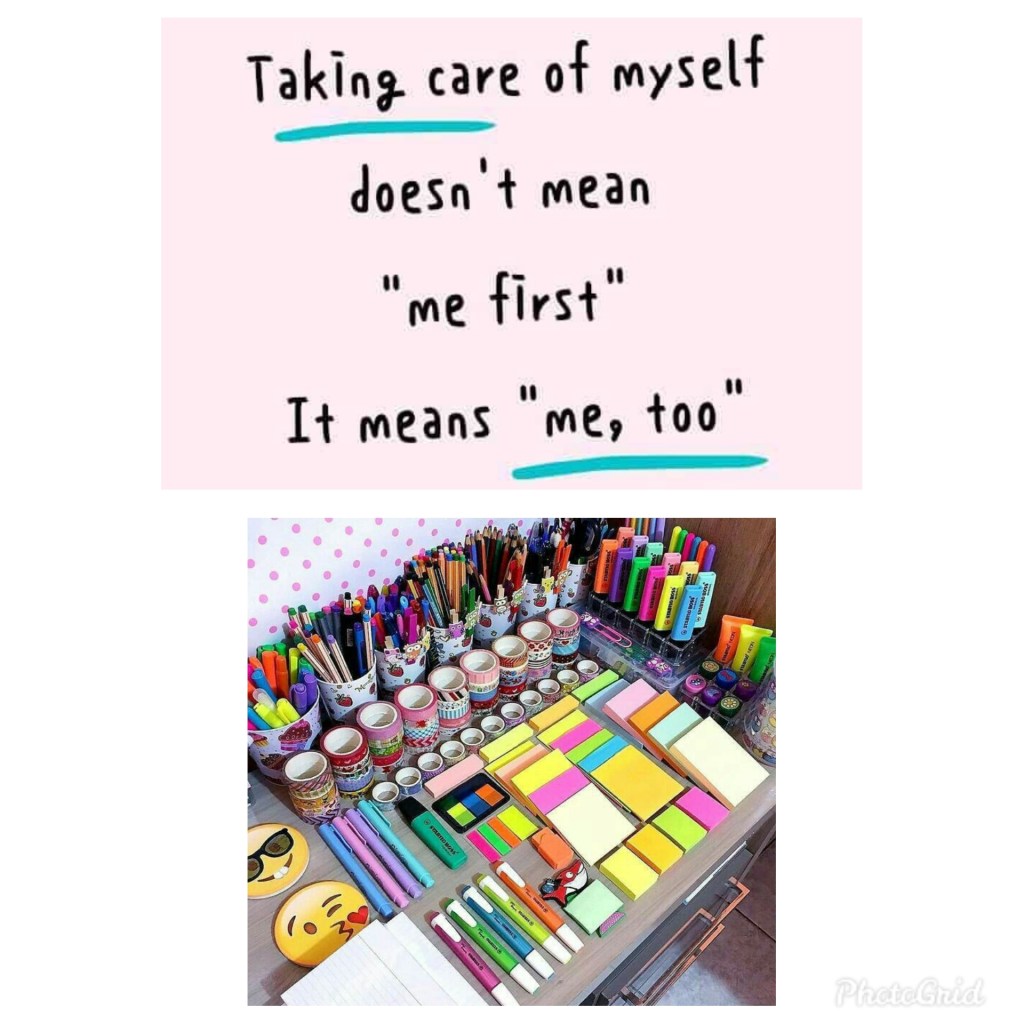
2. Conscientiousness- Conscientiousness means How organised a individual is, How discipline an individual is and How careful a individual is in a certain situation. For example, a person may keeps his/her wadrobe/shelves organised. Or an individual must be very discipline in school.


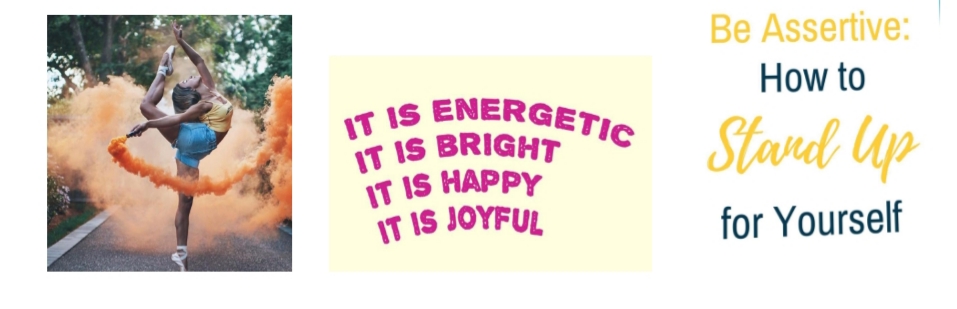
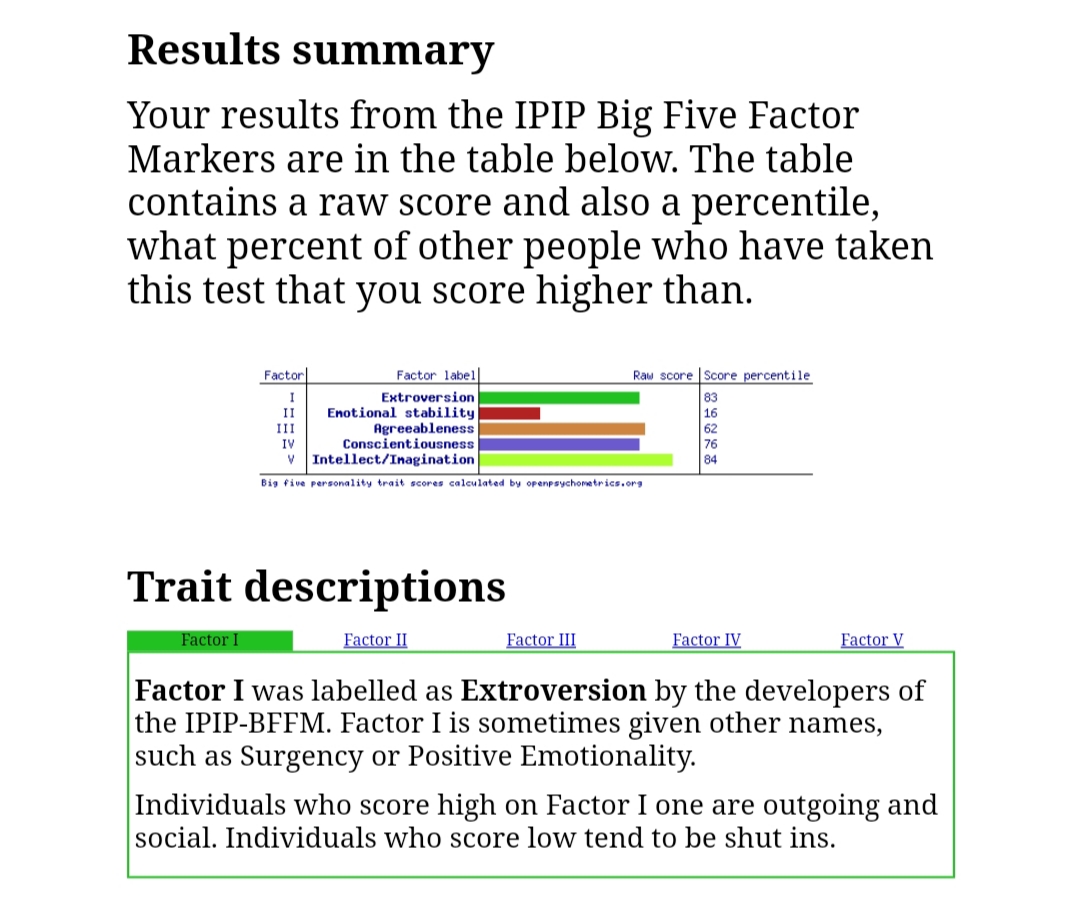
3. Extraversion – People high on extraversion are active, assertive, energetic, talkative. Whereas people low on extraversion are less involved in social situations, are usually quite, shy and silent.

4. Agreeableness- Agreeableness means How much you agree with people around you, How co-operative, friendly and warm you react. For example, a person who is very friendly with all classmates.

5. Neuroticism – People high on neuroticism are self conscious, get anxious, impulsive, depressed easily. Whereas, people low on neuroticism are Calm, unemotional, even tempered. For example, if you easily get angry or impulsive on small things then you’re high on neuroticism.

So now all of must want to test your personality traits. Isn’t it?

https://openpsychometrics.org/tests/IPIP-BFFM/

Go ahead! Open this link and test your personality traits. I’ve done it too! There are around 50-60 questions which you need to answer on the scale of 5-1. I’m attaching my result summary after completing the test.

Recently, I’ve been doing an internship with Pearl academy on Personal branding and trust me they have an amazing faculty and content is really well presented. You can visit their official website and have a look at upcoming workshops and webinars.

I hope you like it. Stay tuned for more blogs. Thank you so much 🌈❤

– Himanshi Khanna
WHAT IS MENTAL HEALTH?

Nowadays all of us keep talking about mental health, anxiety, depression, emotions, behaviour etc. But, did you ever tried to know about it? No right! So let’s find more on it.

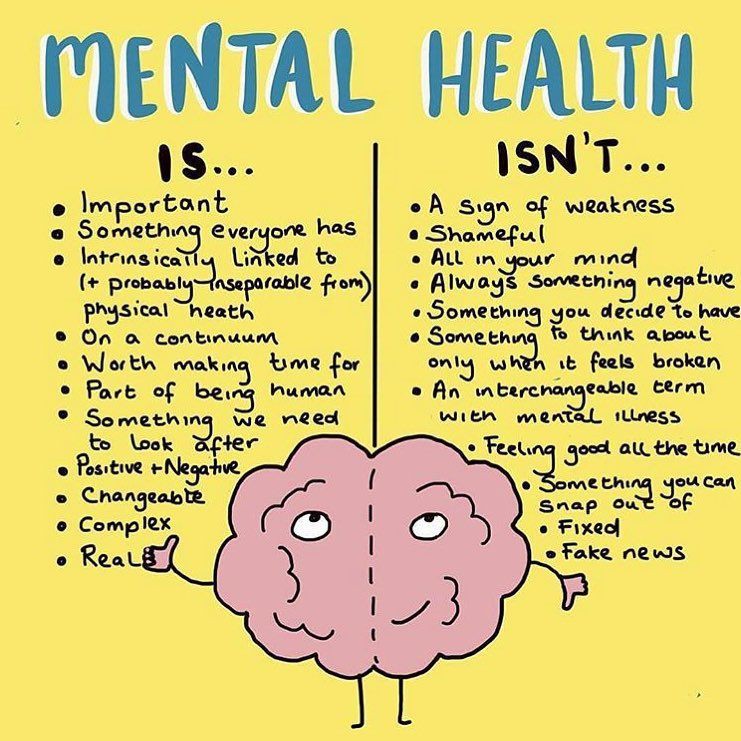
Mental health matters!! It includes emotional, social & psychological well being of an individual. It can affect what and how we think, feel, act. It is important at every stage of life, be it childhood, be it adolescence, be it adulthood.

Mental health problems

Your mood, your thinking, your behaviour can be affected adversely if you experience mental health problems. Some of the factors contributing to mental health problems are: ● Life experiences such as abuse, trauma ● Family History of mental health problems/illness ● Biological factors such as genes.

Mental illness is not a personal failure.

Early Warning signs

Experiencing any of the following behaviours or feelings can be early sign of mental health problems ● Helplessness or Hopelessness ● Feeling low on energy ● Eating, sleeping too little or too much ● Harming yourself ● Smoking, Drinking more than usual ● Mood swings

Anxiety and depression can have long and severe impact on a person’s ability to get on with life.

You don’t need to control your thoughts. You just have to stop letting them control you.💓

Although many symptoms are common in certain but no two people behave exactly in same way when they are facing mental health problems/illness.

You are stronger than your anxiety!!

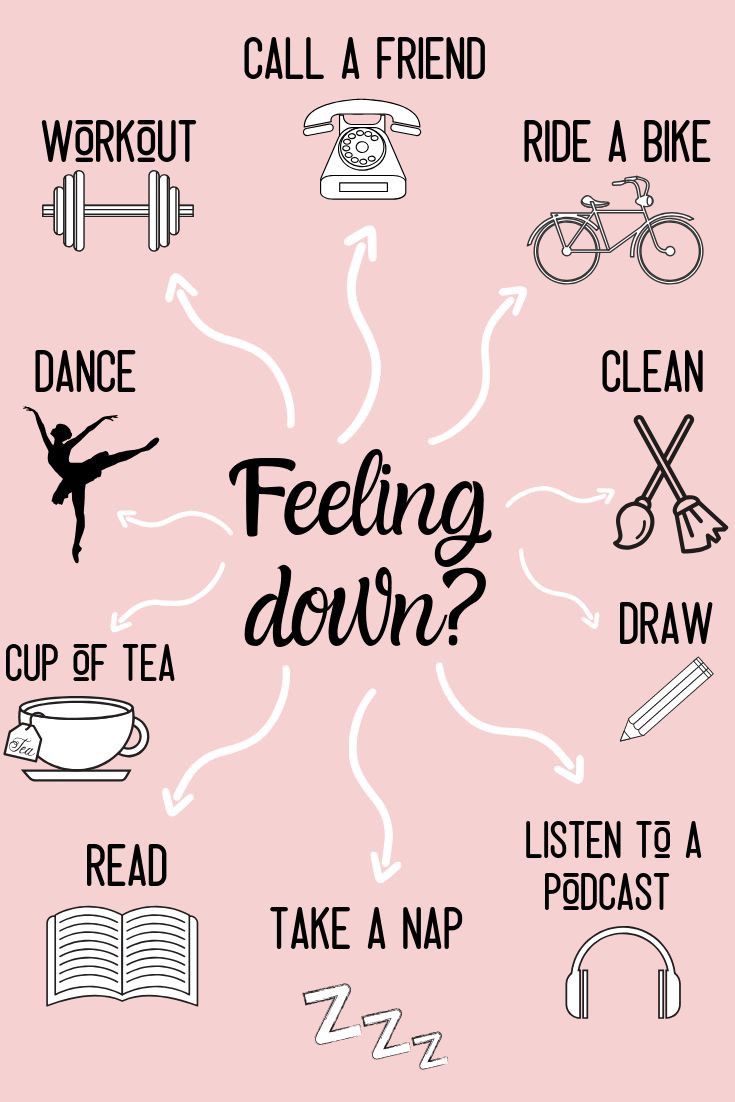
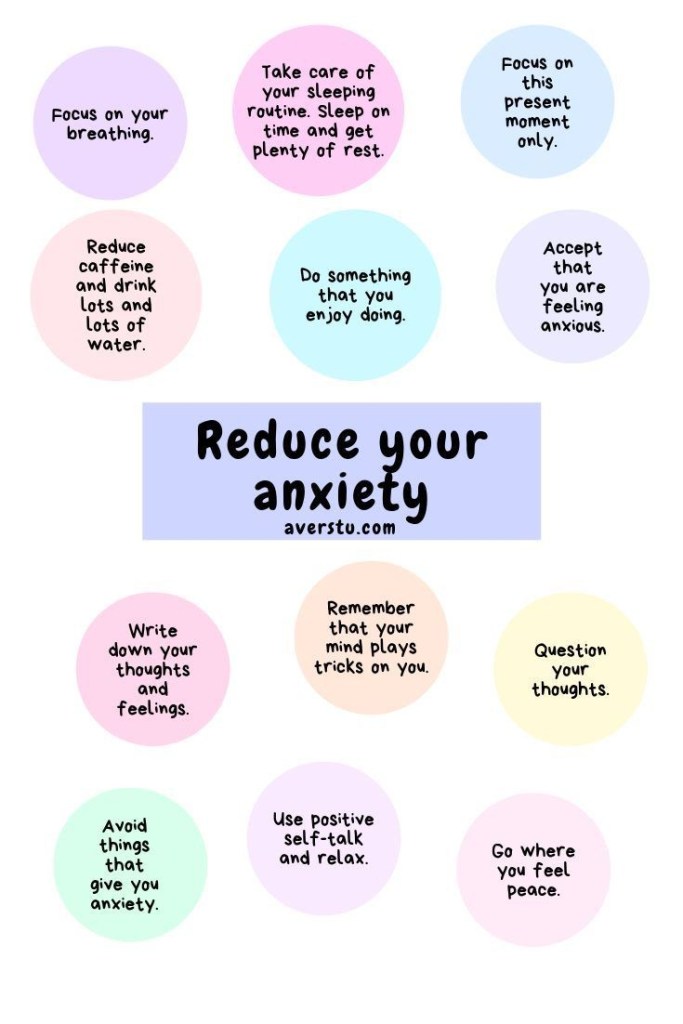
At last, i suggest you all not to take stress, get depressed or anxious. Your feelings are valid!! It’s absolutely okay to not to be okayy!❤ If you are feeling low have a self talk or relax for sometime, listen to music, write down your feelings, thoughts on a dairy, do breathing exercises.🌈

I hope you all liked it, I’m having a summer internship with Fortis Mental health, and I really learnt amazing stuff related to psychology- such as psychological disorders, health psychology, art therapy etc. Their faculty is absolutely amazing. If you want me to write on something particular you can feel free to comment below.

Thank You so much!❤ Himanshi Khanna
Design a site like this with WordPress.com
Get started