What is stress?
All of us say that we are stressed before giving exam or before giving an interview. All the challenges, problems, or difficult circumstances put us to stress. But do we know what exactly stress is?
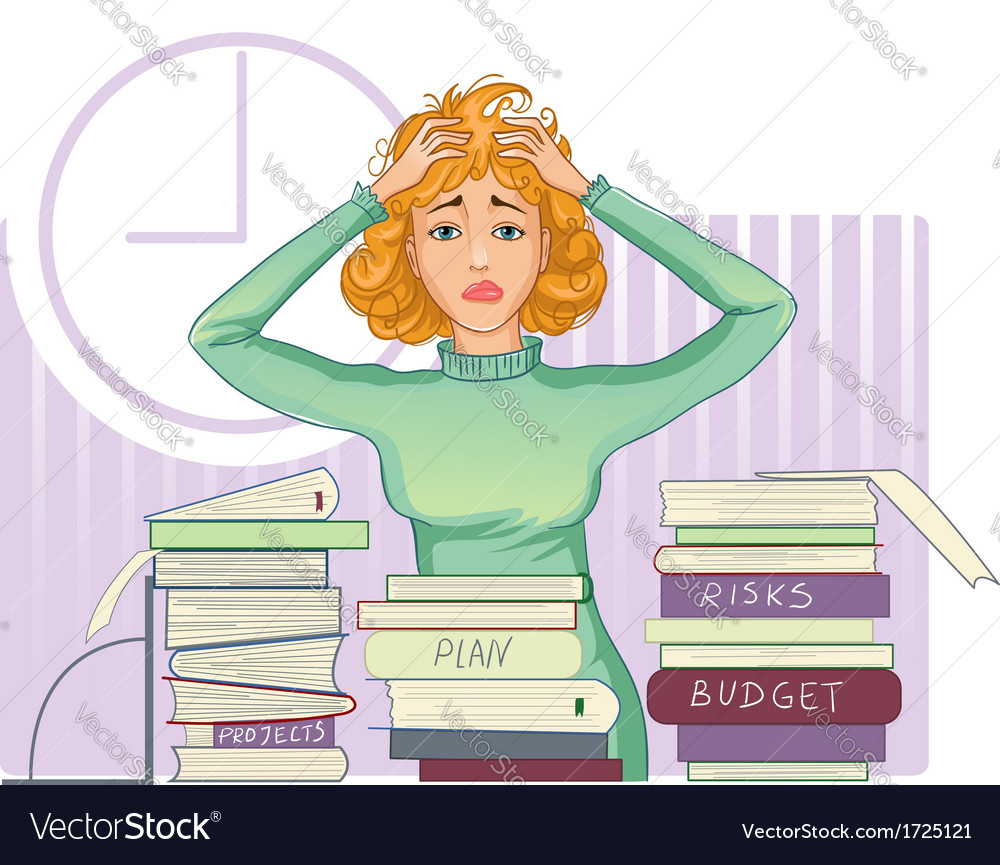
Stress is the pattern of responses an organism makes to stimulus event that disturbs the equilibrium and exceeds a person’s ability to cope. In other words, stress is a dynamic mental/ cognitive state.
Types of stress
It is important to remember that not all stress is inherently bad or destructive. Generally stress can be described as good or bad.

Eustress
Eustress is the term used to describe the level of stress that is good for you. In other words, eustress is a positive stress.
- Motivates, focuses energy.
- Is short-term.
- Is perceived as within our coping abilities.
- Feels exciting.
- Improves performance

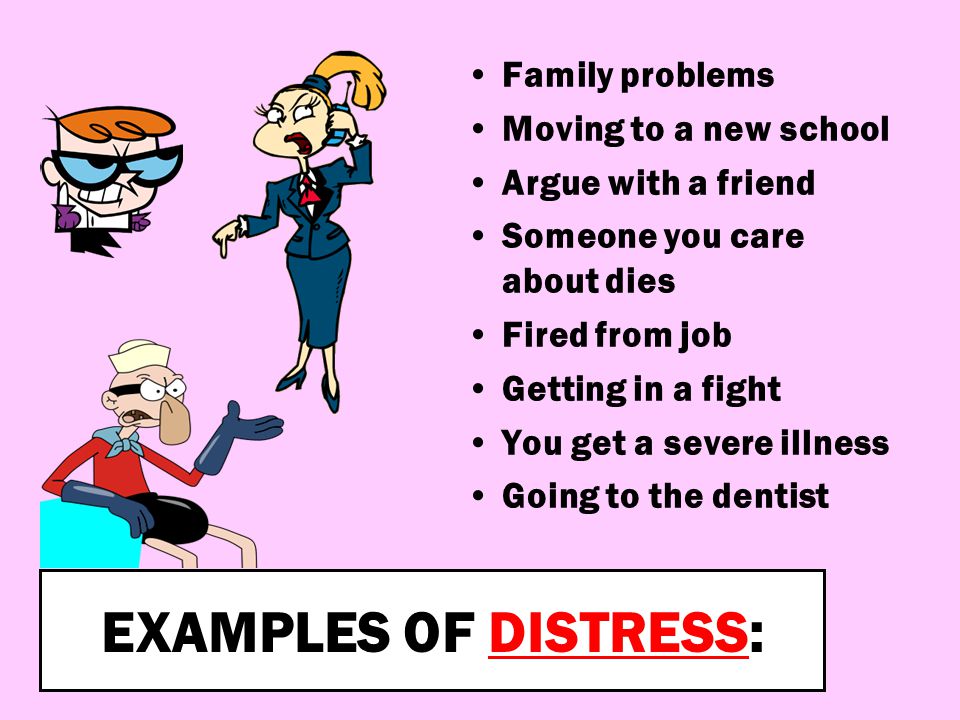
Distress
Distress is the latter manifestation of stress that causes our body’s wear and tear. In other words, distress is the negative stress.
- Causes anxiety or concern.
- Can be short- or long-term.
- Is perceived as outside of our coping abilities.
- Feels unpleasant.
- Decreases performance.
- Can lead to mental and physical problems.
EFFECTS OF STRESS
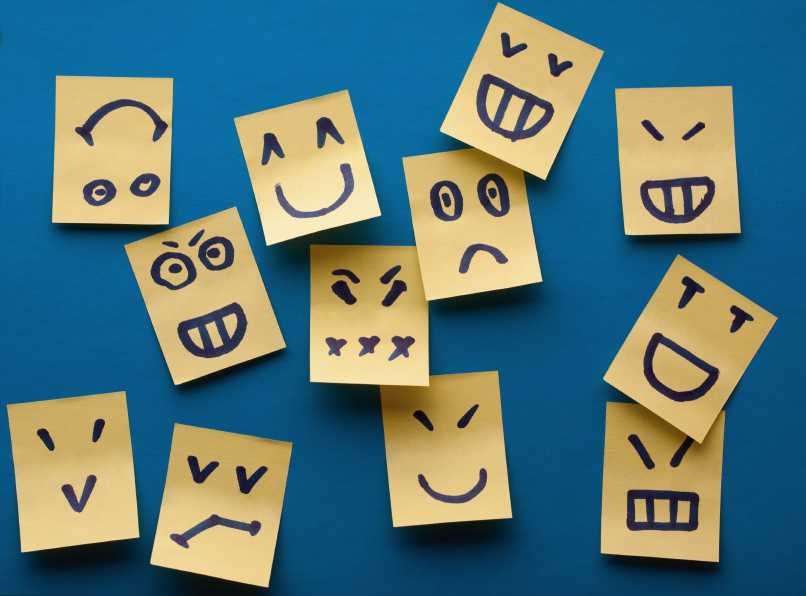
- EMOTIONAL EFFECTS : People who suffer from stress are far more likely to experience mood swings, and show erratic behaviour that may alienate them from family/friends. For example, feelings of anxiety and depression, increased physical or psychological tension and mood swings.
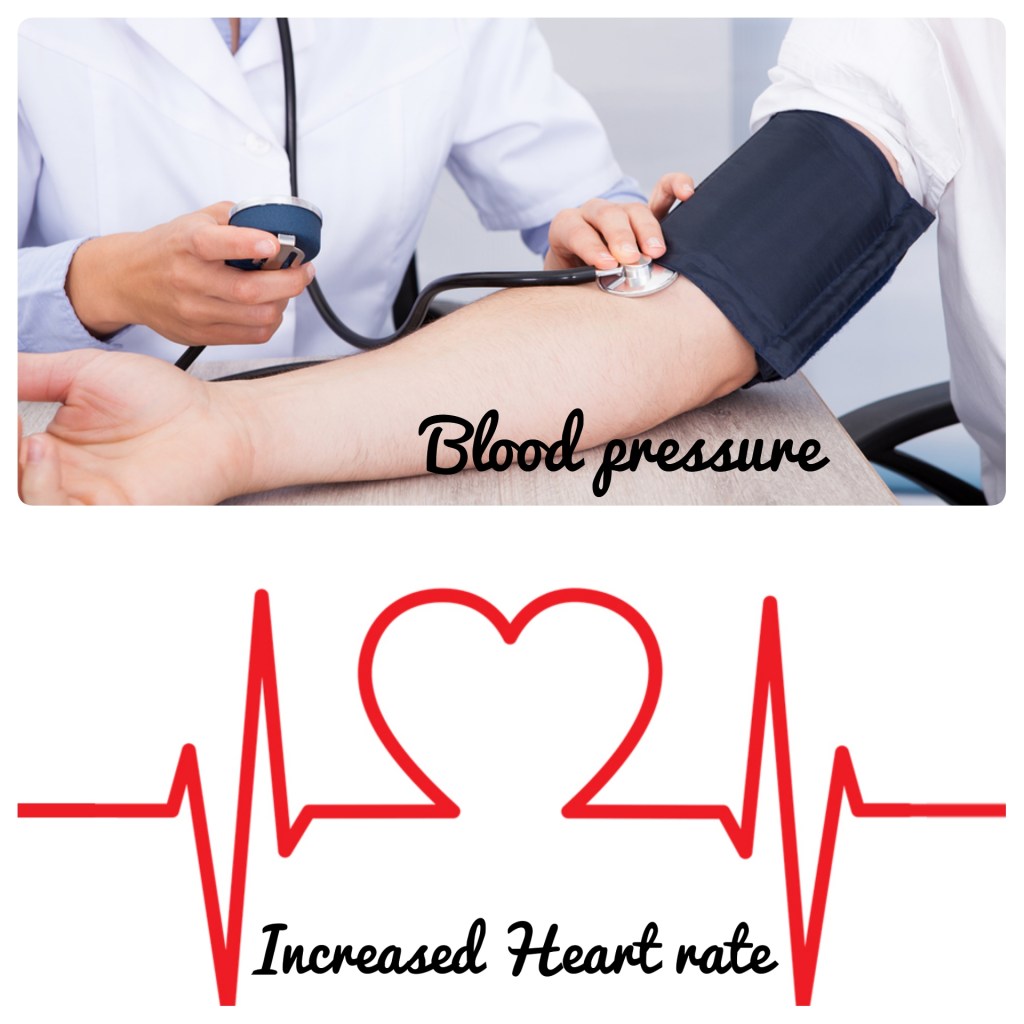
2. PHYSIOLOGICAL EFFECTS : When the human body is placed under physical or psychological stress, it increases production of certain hormones such as adrenaline and cortisol. These hormones produce marked changes in heart rate, blood pressure levels, metabolism etc. It can be extremely damaging to the body. For example, slowing down the digestive system, increased heart rate, expansion of air passages in the lungs etc.
3. COGNITIVE EFFECTS : If pressures due to stress continue, one may suffer from mental overload. This can rapidly cause individuals to lose their ability to sound decisions. Faulty decisions made at home, in career or at workplace may lead to arguments, failure, financial loss etc. Examples of cognitive effects of stress are poor concentration, reduced short term memory capacity.
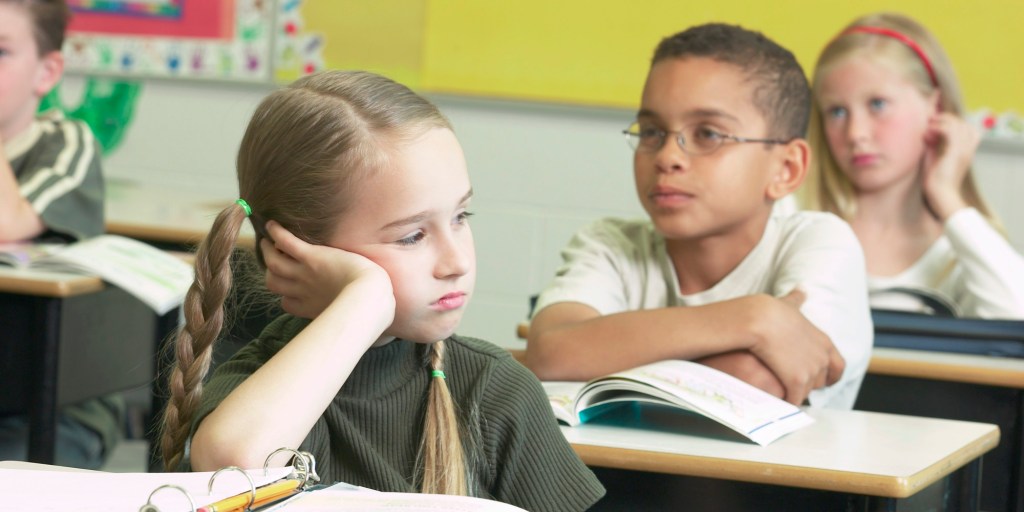
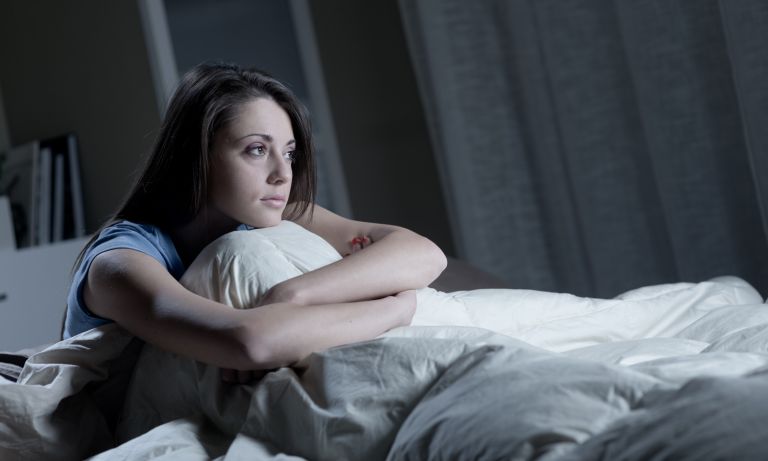
4. BEHAVIOURAL EFFECTS : Stress affects our behaviour in the form of eating less nutritional food, increasing intake of stimulants such as caffeine, excessive consumption of cigarettes, alcohol etc. Some of typical behavioural effects of stress are seen are disrupted sleep patterns, increased absenteeism, and reduced work performance.
STRESS MANAGEMENT TECHNIQUES
Some of the stress management techniques are :
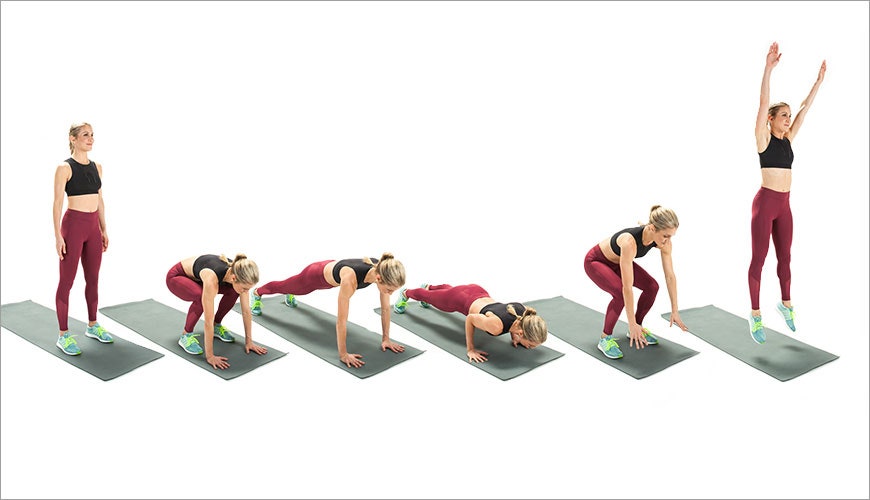
- Exercise : Regular exercise improves the efficiency of the heart, enhances the function of the lungs, maintains good circulation, lowers blood pressure, improves body’s immune system. Walking, running, swimming, cycling etc help to reduce stress. One must exercise at least four times a week for 30 minutes at a time.
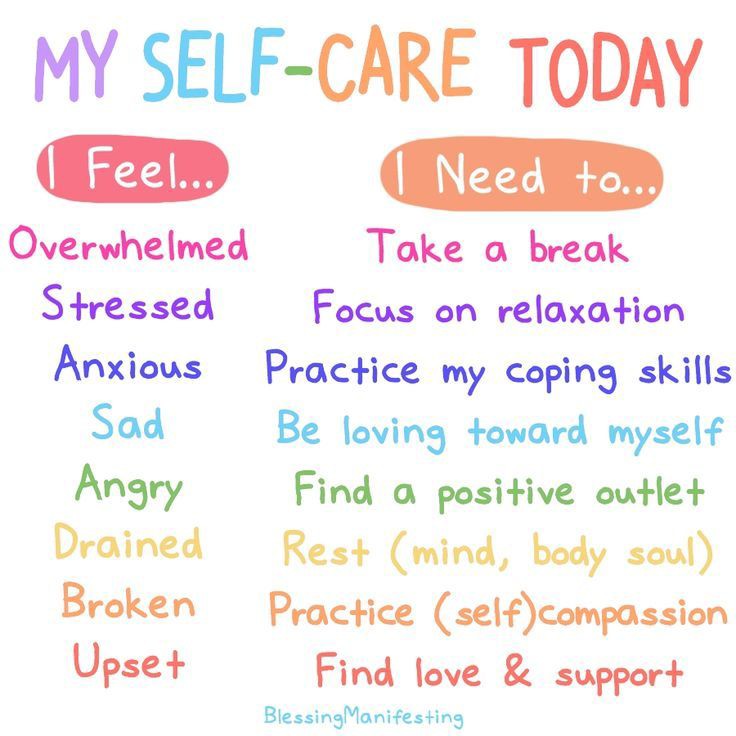
2. SELF CARE : If we keep ourselves healthy, fit and relaxed, we are better prepared physically and emotionally to tackle stresses of everyday life.
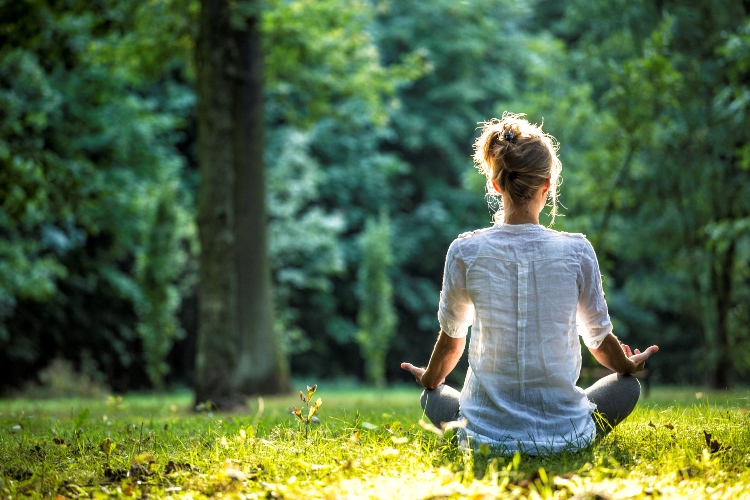
3. RELAXATION TECHNIQUES : Relaxation starts from the lower part of the body and progresses up to the facial muscles in a such a way that the whole body is relaxed. Deep breathing is used along the muscle relaxation to calm the mind and deals the body.
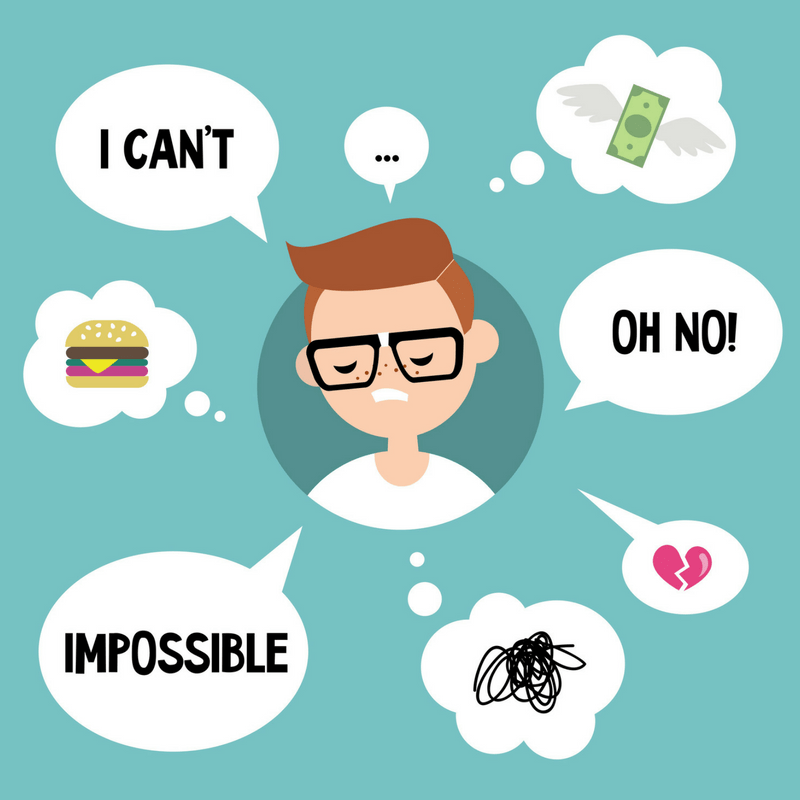
4. OVERCOMING UNHELPFUL HABITS: Unhelpful habits such as perfectionism, avoidance, procrastination lost are strategies that help to cope in the short-term but which make one more vulnerable to stress. Perfectionists are persons who have to get everything just right. Avoidance is to put the issue under the carpet and refuse to accept or face it.
Procrastination means putting off what we know we need to do. People who procrastinate are deliberate avoiding confronting their fears of failure or rejection.
At last we should not take stress. Let’s break up with stress and live our life to the fullest 🙂 We should exercise and eat healthy food to stay fit and prepared to tackle everyday stress.
STAY SAFE, STAY HOME!
Thank you 🌻🌈
– Himanshi
 Self Love and Care
This will help students to deal with strees.
LikeLiked by 1 person
Absolutely, it will. Do share :’)
LikeLike
Nice
LikeLike